
Chinatown London: The Complete Eating and Visiting Guide
Ten minutes end to end, four different cuisines deep, and one gate that everybody photographs. How to navigate W1D's densest few streets.
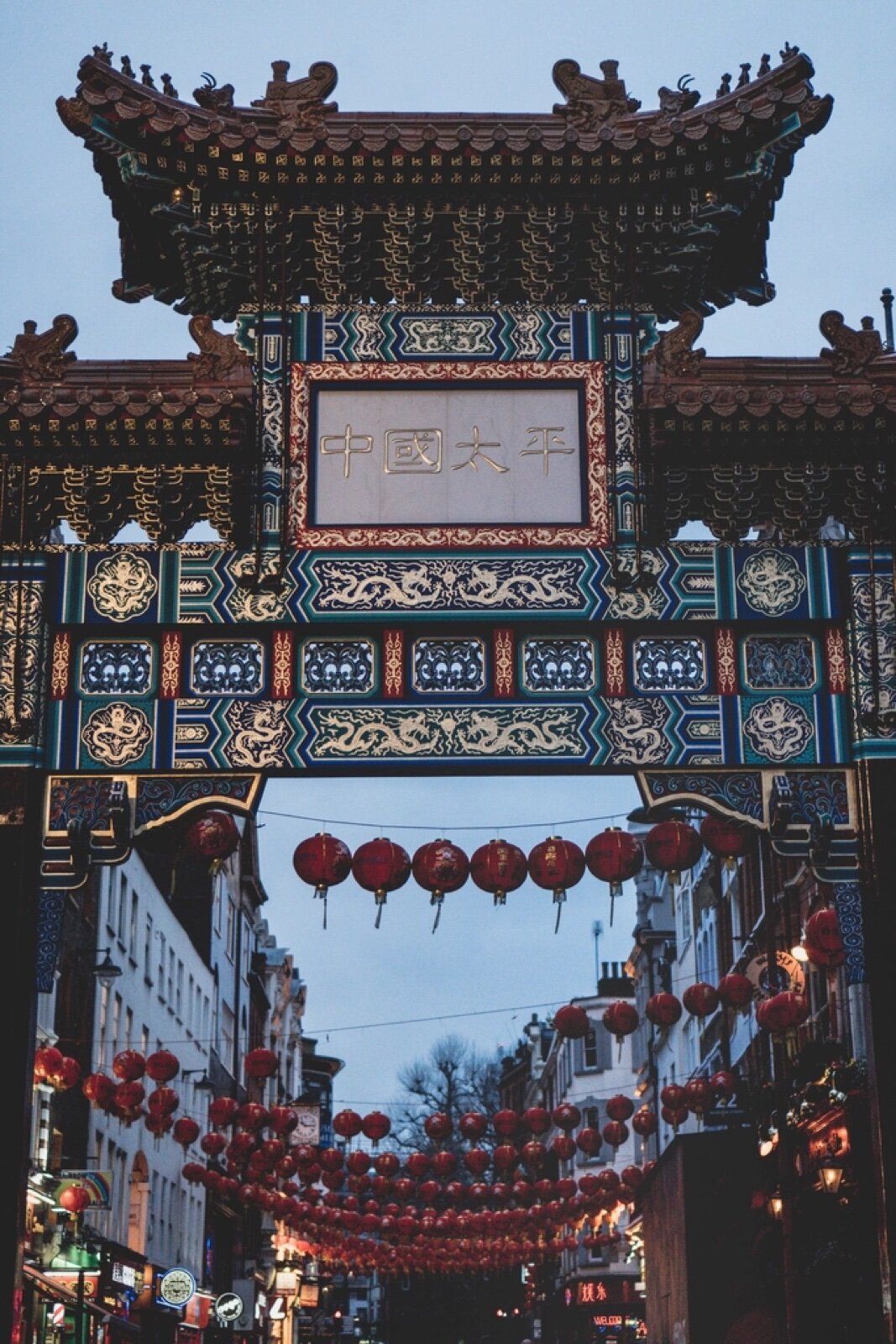
Where: W1D, between Shaftesbury Avenue and Leicester Square. Gerrard Street is the spine; Lisle Street, Newport Court, Macclesfield Street and Wardour Street make up the rest.
Nearest tube: Leicester Square (Piccadilly, Northern), about two minutes. Piccadilly Circus is a five-minute walk from the western gate.
Next Chinese New Year: Saturday 6 February 2027, the Year of the Goat. London's celebration is the largest outside Asia.
This Chinatown London guide covers a quarter that takes about ten minutes to walk end to end and contains more restaurants per square metre than anywhere else in the West End. That density is the whole difficulty: on a Friday evening on Gerrard Street, every doorway is a restaurant, half of them have a queue, and there is no obvious way to tell the institution from the tourist trap. What follows is the geography, the history, what to eat and when to come.
The layout, in one paragraph
Gerrard Street is the pedestrianised main street, hung with red lanterns, running east to west with an ornamental archway at either end. Lisle Street runs parallel one block south and is the quieter, cheaper, more functional version of the same thing. Newport Court and Little Newport Street connect the area to Charing Cross Road at the eastern end; Macclesfield Street and Dansey Place cut north and south in the middle. Wardour Street crosses the western end, and that is where the big gate stands.
Everything is within three minutes of everything else. If a place has a queue, walk one street over.
The gates
The large ornamental gate on Wardour Street went up in 2016 and is among the biggest Chinese gates outside China. It is the one people photograph, and it is best shot from the south side looking north, with the lanterns of Gerrard Street receding behind it.
The older red and green archways at the Gerrard Street entrances are smaller and have been there far longer. They are the ones that appear in photographs of the area from the 1980s onwards, and they mark where the pedestrianised section begins.
How Chinatown got here
London's Chinese community did not start in Soho. It began in the East End around Limehouse in the nineteenth century, built around the docks and the sailors who worked them. That Limehouse Chinatown was largely destroyed by bombing during the Blitz, and the community moved gradually west. By the 1970s Gerrard Street and the lanes around it had become the new centre, with restaurants, supermarkets and businesses serving a growing Chinese and Southeast Asian population.
That history explains something visitors often find odd: Chinatown is not residential in the way other city Chinatowns are. It is a commercial and cultural district that people travel into, which is why it empties late at night rather than at nine, and why the shops are weighted so heavily towards food.
Eating: how to choose
The reliable approach is to decide what kind of meal you want before you get there, because the area does four quite different things.
Cantonese roast meats
Duck, char siu and crisp pork belly hanging in the window, served over rice or noodles. This is what Chinatown does best and what it has done longest. Four Seasons on Gerrard Street is the name most associated with the roast duck, to the point where the rest of its very long menu is beside the point; order the duck. Wong Kei on Wardour Street is the surviving old-school Cantonese canteen, famous for decades for brisk service and unbothered by the reputation, and it is still the cheapest proper sit-down meal in the postcode.
Dumplings
Beijing Dumpling at 23 Lisle Street folds them to order in the window, pan-fried or in soup, alongside a short northern Chinese menu. Dumplings' Legend on Gerrard Street is larger and glossier, with an open kitchen making xiao long bao, and it works best at lunch when the dim sum list is the main event rather than the a la carte.
Dim sum
Traditionally a daytime meal, and most Chinatown kitchens serve it until mid-afternoon rather than all evening. If dim sum is the plan, come between 12:00 and 15:00 and expect the room to be busier and more mixed than at dinner.
Everything that is not Chinese
Chinatown has been Southeast Asian for years as much as Chinese. Malaysian, Vietnamese, Korean, Japanese and Taiwanese kitchens sit alongside the Cantonese ones, and the bubble tea shops now outnumber almost everything else. Lisle Street in particular is where the mix is most obvious.
For a full budget breakdown of the area and neighbouring Soho, see our guide to the best cheap eats in Soho and Chinatown under £15.
Beyond restaurants
- Supermarkets. The Chinese supermarkets on and around Newport Place and Gerrard Street are worth twenty minutes even if you are not cooking. Frozen dumplings, chilli oils, dried mushrooms, tea and a fresh counter, at prices that are not central London prices.
- Bakeries. Egg tarts, pineapple buns and cocktail buns, sold by the bag and eaten standing up. The queues move fast.
- Bubble tea. There are now dozens. They are broadly interchangeable; pick the one with the shortest queue.
- Herbalists and medicine shops. Several remain, mostly at the Lisle Street end, and they are a reminder that this is a working community district rather than a themed street.
Chinese New Year
Chinese New Year falls on 6 February 2027, and 2027 is the Year of the Goat. London's celebration, organised by the London Chinatown Chinese Association, is the largest outside Asia: a parade, free stage performances across Trafalgar Square and the West End, and the biggest gathering of Chinese lions and dragons in Europe. It typically takes place on the Sunday closest to the date rather than on the day itself.
Two hundred thousand people or more come, Chinatown itself becomes almost impassable, and the restaurants take bookings months out. If you want to eat in Chinatown on New Year weekend, book in December. If you want to see the parade, come for the parade and eat somewhere else.
When to come
| Time | What it is like |
|---|---|
| Weekday lunch | The best time. Dim sum service is on, queues are short, and set lunches are cheaper than the evening menus. |
| Weekday evening | Busy but workable. Pre-theatre pressure from Shaftesbury Avenue peaks around 18:00 and eases by 20:00. |
| Friday and Saturday evening | The hardest. Expect to queue at the well-known places. Lisle Street usually still has space. |
| Late night | Chinatown outlasts most of the West End. Several kitchens run past midnight, which is why chefs and theatre crews eat here. |
| Chinese New Year weekend | Extraordinary and impossible in equal measure. Book far ahead or come purely for the parade. |
Practical notes
Leicester Square station puts you at the eastern end in two minutes; Piccadilly Circus is five minutes from the Wardour Street gate. Do not drive. The area sits inside the Congestion Charge zone, the streets around it are one-way and mostly resident-permit parking, and Gerrard Street itself is pedestrianised. Our W1 parking guide explains where the car parks actually are if you must.
Many of the smaller places still prefer cash or add a card minimum, though this is less common than it was. Service is often included on the bill; check before adding more. And the queueing culture is real: giving your name and a phone number, then waiting outside, is normal at the busier restaurants and moves faster than it looks.
Chinatown sits at the junction of three W1 quarters, so it pairs naturally with an evening elsewhere. See the West End theatre guide for what is on around the corner, the Soho restaurants roundup for the next street over, and the W1 London home page for the rest of the postcode.
Frequently asked questions
Where is Chinatown in London?
In W1D, between Shaftesbury Avenue and Leicester Square. Gerrard Street is the pedestrianised main street, with Lisle Street parallel to the south and Wardour Street crossing the western end. Leicester Square underground station is about two minutes away.
What is the big Chinese gate in London Chinatown?
The large ornamental gate on Wardour Street, erected in 2016, which is among the biggest Chinese gates outside China. The smaller red and green archways at either end of Gerrard Street are older and mark where the pedestrianised section begins.
Why did London's Chinatown move to Soho?
The original Chinese community was in Limehouse in the East End, built around the docks in the nineteenth century. That area was largely destroyed by bombing in the Blitz, and the community moved gradually west. By the 1970s Gerrard Street and the surrounding lanes had become the new centre.
What should I eat in Chinatown?
Cantonese roast meats are what the area does best: duck, char siu and crisp pork belly over rice. Four Seasons on Gerrard Street is known specifically for its roast duck. For dumplings, Beijing Dumpling on Lisle Street folds them to order and Dumplings' Legend on Gerrard Street makes xiao long bao in an open kitchen.
When is Chinese New Year in London Chinatown?
Chinese New Year falls on 6 February 2027, the Year of the Goat. The London celebration, organised by the London Chinatown Chinese Association, usually takes place on the nearest Sunday and is the largest outside Asia, with a parade and free stages across Trafalgar Square and the West End.
What is the best time to visit Chinatown London?
Weekday lunch. Dim sum service is running, queues are short and set lunches undercut the evening menus. Friday and Saturday evenings are the hardest, when the best-known restaurants have queues at the door and Lisle Street is the better bet.