
Home › Getting around
Oxford Street Pedestrianisation: The Traffic-Free Stretch, the Bus Changes and What Comes Next
Oxford Street pedestrianisation is no longer a plan. Since Monday 26 October 2026 the stretch between Orchard Street and Great Portland Street, almost a kilometre of the road, has been closed to cars, buses, taxis, private hire vehicles, cycles, scooters and pedicabs, according to the Mayor of London's office. Buses that ran along it now use Wigmore Street and Henrietta Place, the cross streets stay open, and deliveries are limited to the small hours. Here is what changed this week and how to get around it.
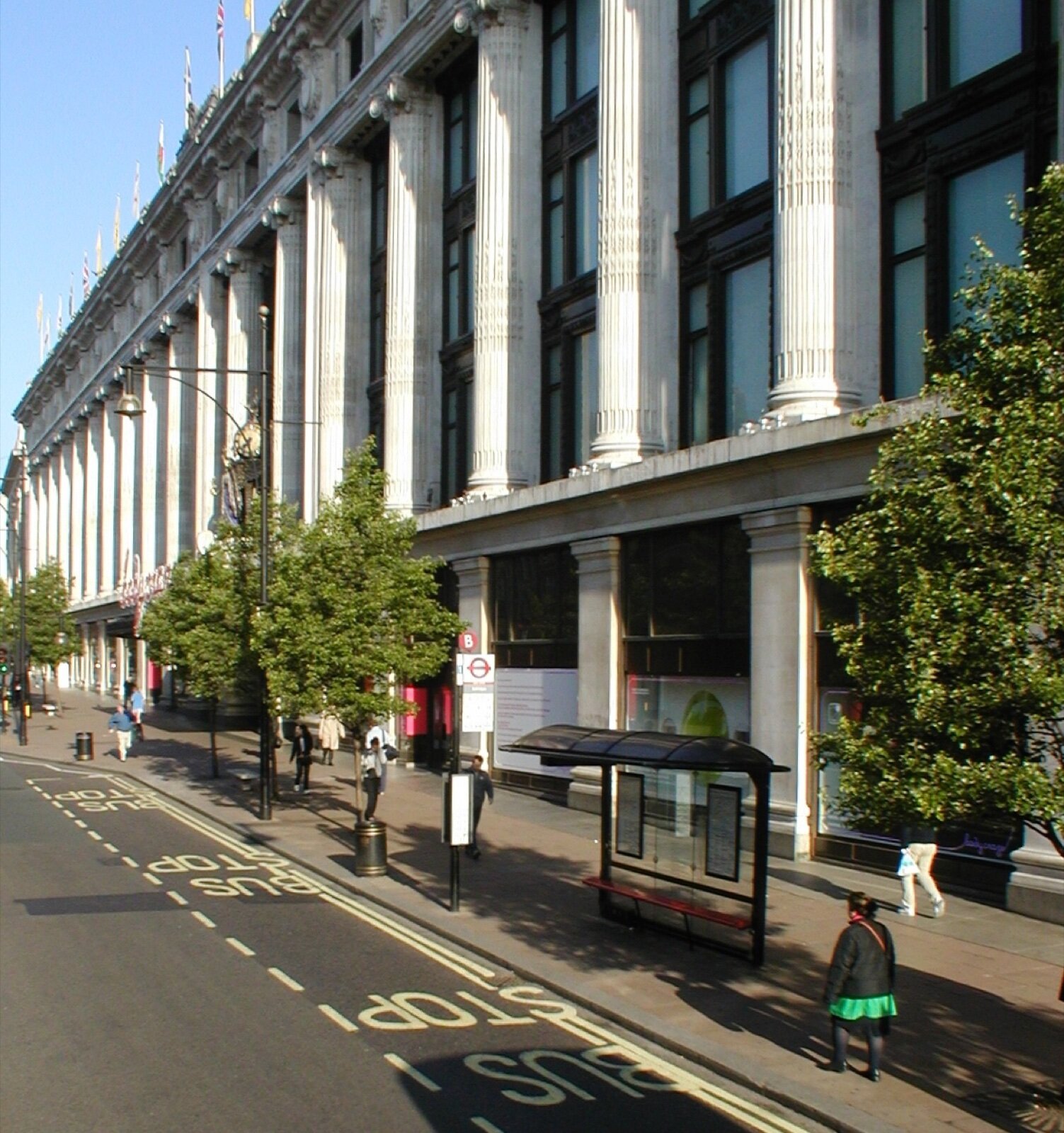

Since: Monday 26 October 2026.
Where: Orchard Street to Great Portland Street, almost 1km.
Banned: private motor vehicles, buses, taxis, private hire, cycles, scooters and pedicabs. Emergency services keep access.
Deliveries: midnight to 7am only.
Nearest buses: new stops on Wigmore Street, Henrietta Place and Cavendish Place, about 200 metres away.
Which part of Oxford Street is traffic-free
The closed section runs from the junction with Orchard Street, beside Selfridges, east to Great Portland Street, just past Oxford Circus. That takes in the stretch past Bond Street station, the department stores and the big flagships either side of Oxford Circus. The two ends of the street, from Marble Arch to Orchard Street and from Great Portland Street to Tottenham Court Road, are not part of this first phase; the Mayor's office says traffic arrangements for the rest of the street will be subject to consultation.
Several north to south roads still cross the pedestrian area and operate as usual, so expect traffic at these points:
- Duke Street
- Stratford Place and Davies Street
- New Bond Street and Vere Street
- Holles Street and Harewood Street
- Regent Street, at Oxford Circus
The carriageway has not been rebuilt yet, so the old kerbs are still there. Treat the crossing roads exactly as you would before: look, and use the signals.
What happened to the buses
The bus changes were phased in over the weekend before the closure, starting at 1am on Saturday 24 October. As reported by IanVisits from the TfL notices:
| Route | What changed |
|---|---|
| 7 and N7 | Now terminate at Marble Arch; no service on to Oxford Circus |
| 94 | Now terminates at Marble Arch; no service on to Piccadilly Circus |
| N113 | Now terminates at Marble Arch |
| N137 | Now terminates at Marble Arch |
| 98, 390, N98, N207 | Diverted via Orchard Street, Wigmore Street and Cavendish Square, both directions |
| 139 | Diverted the same way, to Oxford Circus |
The last bus to run the full length of Oxford Street was a route 98 at 19:44 on Sunday 25 October. New stops have been put in on Wigmore Street, Henrietta Place and Cavendish Place, which the Mayor's office says are about 200 metres from the traffic-free area. TfL's own Oxford Street travel page has the current list, and timings can still shift in the first weeks, so check the TfL journey planner rather than an old route map.
Getting there by Tube and Elizabeth line
The Underground and Elizabeth line are unaffected. Bond Street (Elizabeth, Central and Jubilee lines) and Oxford Circus (Central, Bakerloo and Victoria lines) both open straight onto the traffic-free section, with Marble Arch and Tottenham Court Road at either end. The Elizabeth line stations at Bond Street and Tottenham Court Road are step-free from street to train, which makes them the easiest arrivals for anyone using a wheelchair or a buggy. Our getting around W1 page covers the rest of the area.
Driving, taxis and cycling
You can no longer drive along this part of Oxford Street at any hour, and taxis and private hire cars cannot pick up or drop off on it. Book a cab to a side street such as Wigmore Street, Henrietta Place or one of the open crossing roads. Cycles and e-scooters are also excluded from the stretch, so riders need parallel routes; Wigmore Street is the obvious one, but it is now carrying diverted buses too. If you are driving into W1, our parking in W1 page lists the car parks; nothing about the scheme changes the Congestion Charge.
Deliveries and businesses
Servicing vehicles can enter the traffic-free area only between midnight and 7am. Emergency services have access at all times. Shops and offices on the stretch with daytime deliveries will need to switch to night slots or use rear entrances on the side streets. The Oxford Street Development Corporation, the Mayoral body that took over planning powers for the street from Westminster and Camden in August 2026, is running the scheme with TfL.
What comes next
This is the first, temporary phase. The Mayor's office says construction will be kept to a minimum through the Christmas shopping period, and that by the end of spring 2027 the stretch is due to gain more than 50 trees, more than 100 seats and dining tables, two public squares, rest areas, new lighting and better signage. Dezeen reports that the squares are planned near Holles Street and Duke Street, and that the full redesign is expected to run from 2027 into 2028. In the meantime, temporary green bollards and large "Oxford St" signs mark the closure.
Why now: the idea has been around for years. Sadiq Khan first proposed a traffic-free Oxford Street in 2017, and Westminster City Council blocked it. The Mayor's 2025 consultation drew 6,642 responses, and the Mayor's office says about two-thirds supported pedestrianisation.
Visiting this Christmas
With the buses gone, the street is calmer to walk but it will still be very busy at weekends in November and December. Go early on a weekday if you can, and use the Elizabeth line. For the shops themselves, see our Oxford Street shopping guide, and for the lights, our W1 Christmas lights page. More from the area is on the W1 London homepage.
Sources: Mayor of London, Oxford Street goes traffic-free (26 October 2026); IanVisits, the last bus along Oxford Street; Dezeen, 27 October 2026; TfL Oxford Street travel.
Frequently Asked Questions
When did Oxford Street become traffic-free?
On Monday 26 October 2026. The stretch between Orchard Street and Great Portland Street is closed to all vehicles except emergency services, with deliveries allowed from midnight to 7am.
Which part of Oxford Street is pedestrianised?
Almost a kilometre between Orchard Street, by Selfridges, and Great Portland Street, just east of Oxford Circus. The Marble Arch and Tottenham Court Road ends are not part of this phase.
Where do the buses go now?
Routes 98, 139, 390, N98 and N207 are diverted via Orchard Street, Wigmore Street and Cavendish Square. Routes 7, 94, N7, N113 and N137 now terminate at Marble Arch.
Can you cycle on Oxford Street now?
No. Cycles, e-scooters and pedicabs are excluded from the traffic-free stretch, along with cars, buses, taxis and private hire vehicles.
Can I still cross Oxford Street by car?
Yes, at the roads that cross it: Duke Street, Stratford Place and Davies Street, New Bond Street and Vere Street, Holles Street and Harewood Street, and Regent Street.
Will there be trees and seating?
The Mayor's office says more than 50 trees, more than 100 seats and two public squares are due by the end of spring 2027.