
Home › Visiting W1
Visiting Central London: A W1 Trip Planner for Winter 2026
This central London travel guide is the planning page for a visit to W1, the postcode that takes in Mayfair, Marylebone, Soho and Fitzrovia, with Oxford Street running through the middle. It has changed this autumn. Since 26 October 2026 the stretch of Oxford Street from Orchard Street to Great Portland Street has been closed to traffic, the West End Christmas lights went on in the first ten days of November, and London bus fares rose to £1.85 on 1 November. Below is how to get in and around, what it costs, and where to go next for sights, food and somewhere to stay, with links to our detailed pages on each.
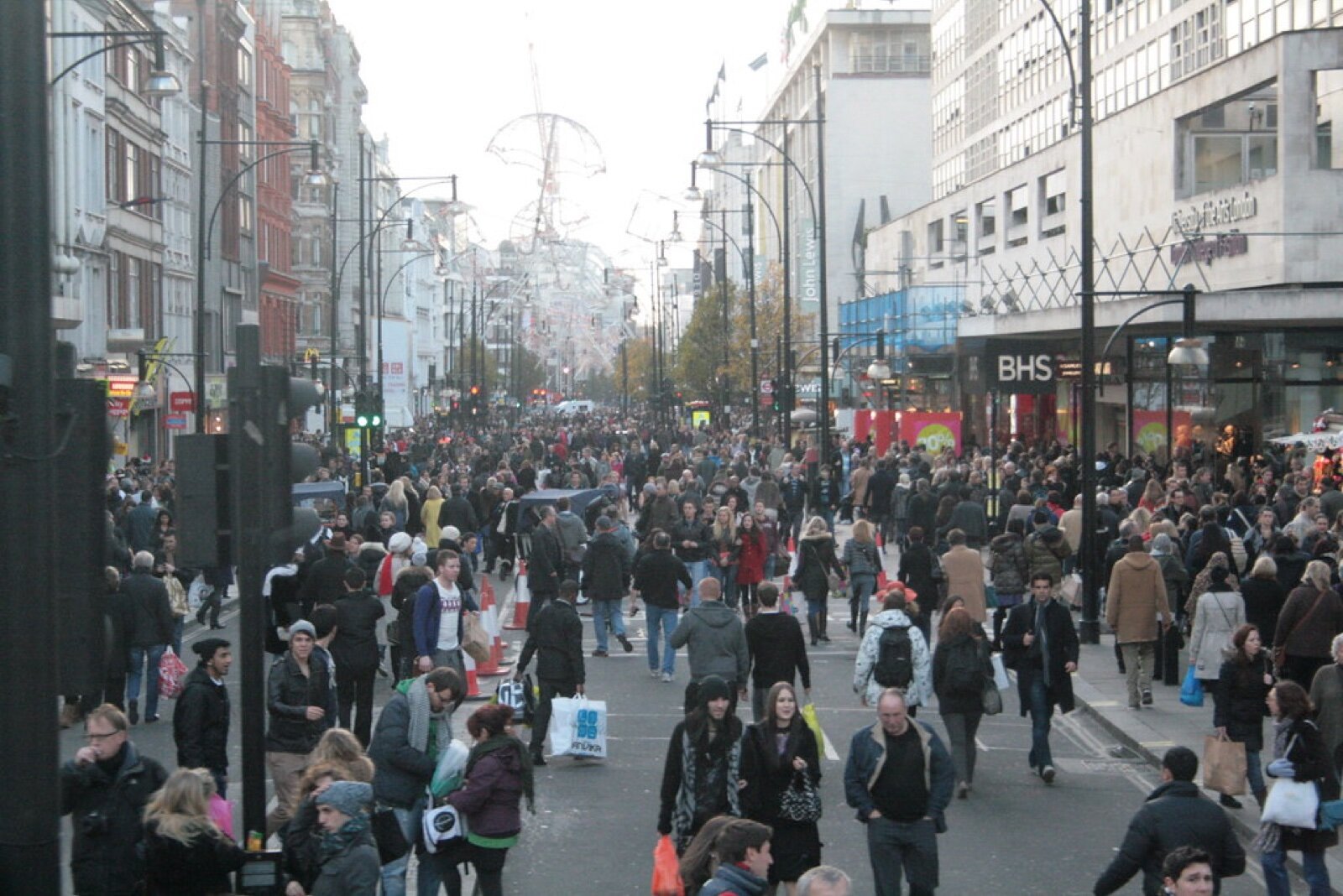
Traffic-free Oxford Street: Orchard Street to Great Portland Street, since Monday 26 October 2026
Bus fare: £1.85 pay as you go since 1 November 2026, daily bus cap £5.55, unlimited changes within an hour
Tube in zone 1: £3.10 peak, £3.00 off-peak, pay as you go, since March 2026
Peak hours: weekdays 06:30 to 09:30 and 16:00 to 19:00; weekends are off-peak
Elizabeth line stops in W1: Bond Street and Tottenham Court Road
Central London travel guide: where W1 is and how it splits
W1 is not a borough but a postcode district, almost all of it in the City of Westminster with a slice of Camden in Fitzrovia. It breaks down into four areas that feel very different on foot:
- Mayfair, south of Oxford Street to Piccadilly: galleries, Savile Row, Bond Street shops and the grand hotels. See our Mayfair page.
- Marylebone, north of Oxford Street: Marylebone High Street, the Wallace Collection, Wigmore Hall and the Sunday farmers' market. See Marylebone.
- Soho, east of Regent Street: restaurants, bars, theatres at its southern edge and Chinatown just beyond. See Soho.
- Fitzrovia, north of Oxford Street and east of Great Portland Street: quieter streets, restaurants and the BT Tower. See Fitzrovia.
Our page on W1 neighbourhoods explained has the boundaries street by street.
Getting in and getting around
Every Underground station in W1 is in zone 1, and there are fourteen within about a square mile, so you are rarely more than ten minutes' walk from one. The Elizabeth line is the fastest way in from Heathrow, Paddington, Liverpool Street and Canary Wharf, and it stops at Bond Street and Tottenham Court Road. The Central line runs under Oxford Street through Marble Arch, Bond Street, Oxford Circus and Tottenham Court Road. For short hops, walking is often quicker than changing trains. Our getting around W1 page lists every station, its lines and the walks that beat the Tube.
Driving in is rarely worth it. W1 is inside the Congestion Charge zone and parking is scarce and expensive; see parking in W1 if you have to.
What it costs to travel in 2026
Pay with a contactless card or phone, or an Oyster card, and the daily and weekly caps apply automatically, so there is no need to buy a Travelcard in advance.
| Fare | Price | Since |
|---|---|---|
| Bus or tram, single (pay as you go) | £1.85 | 1 November 2026 |
| Bus and tram daily cap | £5.55 | 1 November 2026 |
| Tube within zone 1, peak | £3.10 | March 2026 |
| Tube within zone 1, off-peak and weekends | £3.00 | March 2026 |
The bus fare change was set by the Mayor in decision MD3517, which froze bus fares until 1 November and then raised the single fare by 10p. The Hopper fare still gives unlimited bus and tram journeys within an hour of the first one you pay for. Peak Tube fares apply on weekdays between 06:30 and 09:30 and between 16:00 and 19:00, set by when you touch in, so starting a day of sightseeing at 09:31 is the easy saving.
Oxford Street, now traffic-free
The biggest change for visitors this winter is on Oxford Street. Since Monday 26 October 2026 the near-kilometre between Orchard Street, beside Selfridges, and Great Portland Street, just past Oxford Circus, has been closed to cars, buses, taxis, private hire, cycles, scooters and pedicabs. Buses that used to run along it now use Wigmore Street and Henrietta Place, and the cross streets, including Regent Street at Oxford Circus, still carry traffic, so look before you cross. In the first week, City Hall reported spending up 28% and footfall up 16% on the stretch. Our Oxford Street pedestrianisation page has the bus changes and what comes next, and the Oxford Street shopping page covers the stores.
This winter's highlights
- Christmas lights. Carnaby Street switched on on 4 November, Regent Street's Spirit of Christmas angels on 5 November, their tenth year, and Oxford Street's Harry Potter-themed lights on 9 November. Our Christmas lights in W1 page has a walking route.
- Exhibitions. The Photographers' Gallery has three exhibitions running until 21 February 2027, led by a William Eggleston show, with tickets from £12; see our Photographers' Gallery page. The Royal Academy and the free Wallace Collection are both in W1.
- Music and theatre. Wigmore Hall for chamber music, and the West End theatres along Shaftesbury Avenue at the bottom of Soho; see our West End theatre page.
- Free days out. Galleries, parks and churches cost nothing; our list of free things to do in W1 and rainy day ideas will fill a weekend.
Where to eat and drink
W1 runs from Michelin-starred dining rooms in Mayfair to some of the best cheap food in the centre around Soho and Chinatown. Start with our where to eat in W1 overview, then go to the Michelin list, cheap eats in Soho and Chinatown, afternoon tea, pubs or Sunday roasts. Book ahead for Friday and Saturday evenings in December, when office parties fill the West End.
Where to stay
Staying in W1 puts you within walking distance of most of central London. Prices run from mid-range hotels near Oxford Street to Claridge's and The Connaught in Mayfair. Our where to stay in W1 page compares the areas, with separate lists of affordable hotels, hotels near Oxford Street and boutique hotels in Soho. For a full budget, see the cost of a weekend in central London.
Ready-made plans
If you would rather follow a route: 24 hours in central London, a weekend in W1 or a day in Soho. For practical questions on safety, timing and getting about, see visiting W1: your questions answered.
Frequently Asked Questions
Is Oxford Street closed to traffic?
Yes, between Orchard Street and Great Portland Street since 26 October 2026. Cars, buses, taxis, cycles and scooters are banned on that stretch; the ends of the street and the cross roads still carry traffic.
How much is a bus in London now?
£1.85 pay as you go since 1 November 2026, with a daily cap of £5.55. The Hopper fare gives unlimited bus and tram journeys within an hour.
How much is a Tube journey in zone 1?
£3.10 at peak times and £3.00 off-peak with contactless or Oyster, since March 2026. Peak is 06:30 to 09:30 and 16:00 to 19:00 on weekdays.
What is the best Tube station for Oxford Street?
Bond Street and Oxford Circus both open onto the traffic-free stretch. Marble Arch and Tottenham Court Road serve the two ends.
Which areas are in W1?
Mayfair, Marylebone, Soho and Fitzrovia, plus the streets around Oxford Street and Regent Street. Most of W1 is in the City of Westminster.
Do I need a Travelcard for a weekend in central London?
Usually not. Contactless and Oyster cap your spending automatically each day and each Monday to Sunday week.
Sources: Mayor of London, MD3517 July 2026 fare changes and MD3464 March 2026 fare changes; Mayor of London, Oxford Street figures (9 November 2026); TfL station data. Checked 15 November 2026.
More on visiting and living in central London on the W1 London homepage.